
Digital-first banks have gained significant prominence in the last decade with several startups, banks, and non-banks launching and scaling virtual and branchless banking propositions, and doing so by leveraging new technologies to deliver mobile-first experiences.However, if we look at the historical evolution of branchless banking, we see that several incumbent banks have experimented with the model right from the 1980s and 1990s, through a branchless banking proposition called Direct Banking. Direct Banking: Focus on Efficiency and EaseThe 1st generation of Direct Banks used telephone banking to enable customers to perform a range of financial transactions over the telephone without the need to visit a bank branch or ATM. This initiative, which saw growth during the 1980s and 1990s, was first introduced by Girobank in the United Kingdom, who further established a dedicated telephone banking service in 1984. One of the world’s first fully functional direct banks was First Direct, which launched telephone banking in the United Kingdom in 1989. A subsidiary of the then Midland Bank, it pioneered the concept of no branches and 24-hour service through a call center.ING introduced the same concept in other countries in 1997 as ING Direct, a bank without branches that offered attractive savings […]
Already a subscriber? Log in to Access
Unlock this blog
Gain exclusive access to this blog alone.
Radar Subscription
Select a membership plan that resonates with your
goals and aspirations.
Not Ready to Subscribe?
Experience a taste of our expert research with a complimentary guest account.
Error: Contact form not found.
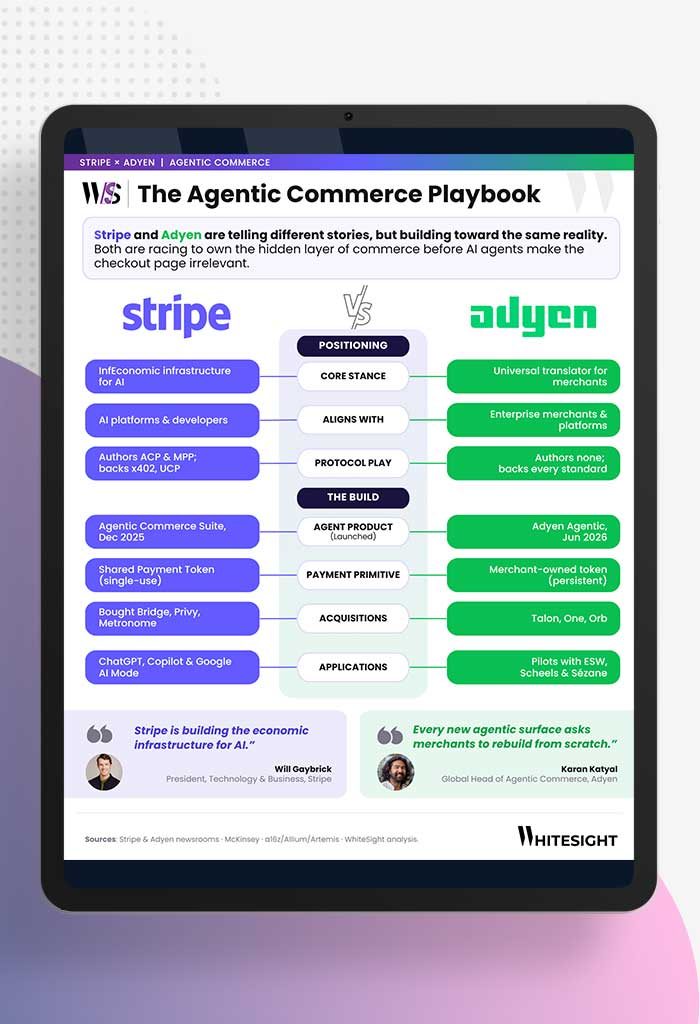
AI Agents Are Killing Checkout. Stripe and Adyen Are Racing to Own the Aftermath ‘Reorder my usual coffee.’ Your agent...
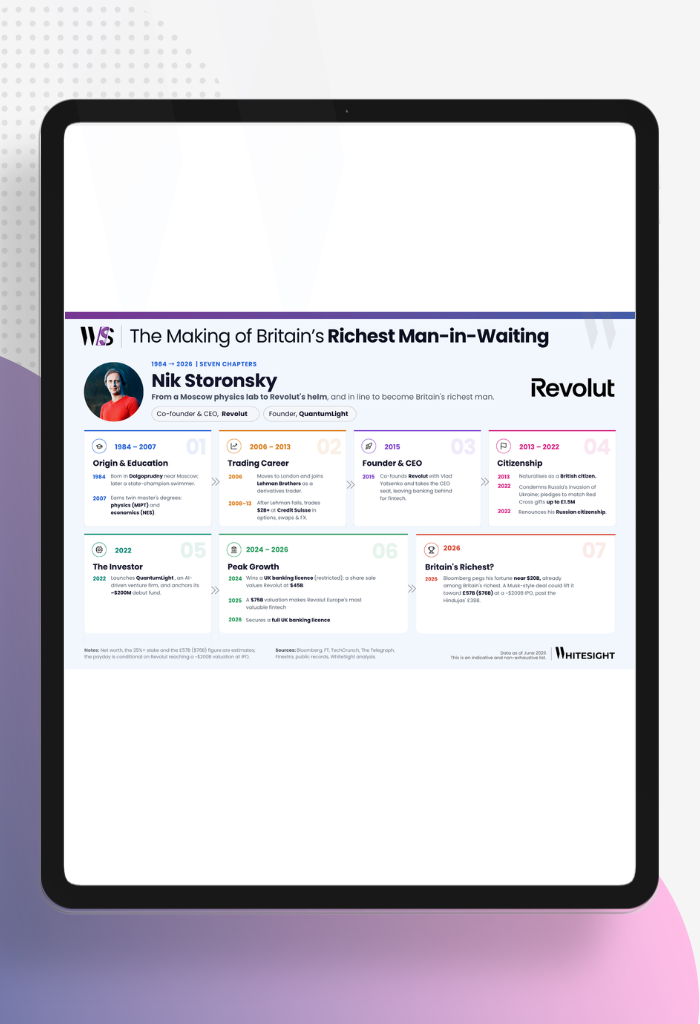
A couple of weeks ago the headlines crowned Nik Storonsky Britain’s almost-richest man. A Musk-style pay deal that could be...

Login to access Fintech intelligence
Sign up to access Fintech intelligence